




If you’re not planning on going to Peru in February because of the Inca Trail being closed all month, you’re definitely not alone! Fortunately for you, Machu Picchu is open year-round, and there are also many other treks that can be taken during this time span that are just as exciting.
These alternative treks still pass through amazingly beautiful areas of the Andes, offer exposure to the cultures of the people who live in the area, and still provide a way to travel the route to the ruins, while avoiding the heavy tourist crowds. Remember that February is a wet season; be sure to have your waterproof clothing packed, because it’s common for there to be rain in the center of the Andes from 2-4 pm and also there may be landslides while on the trek.
Here are the three best alternative treks for those people who are adventurous enough to consider going to Peru in February, and who will be doing so prior to any major closures.
1. Salkantay Trek: The Scenic High-Altitude Challenge
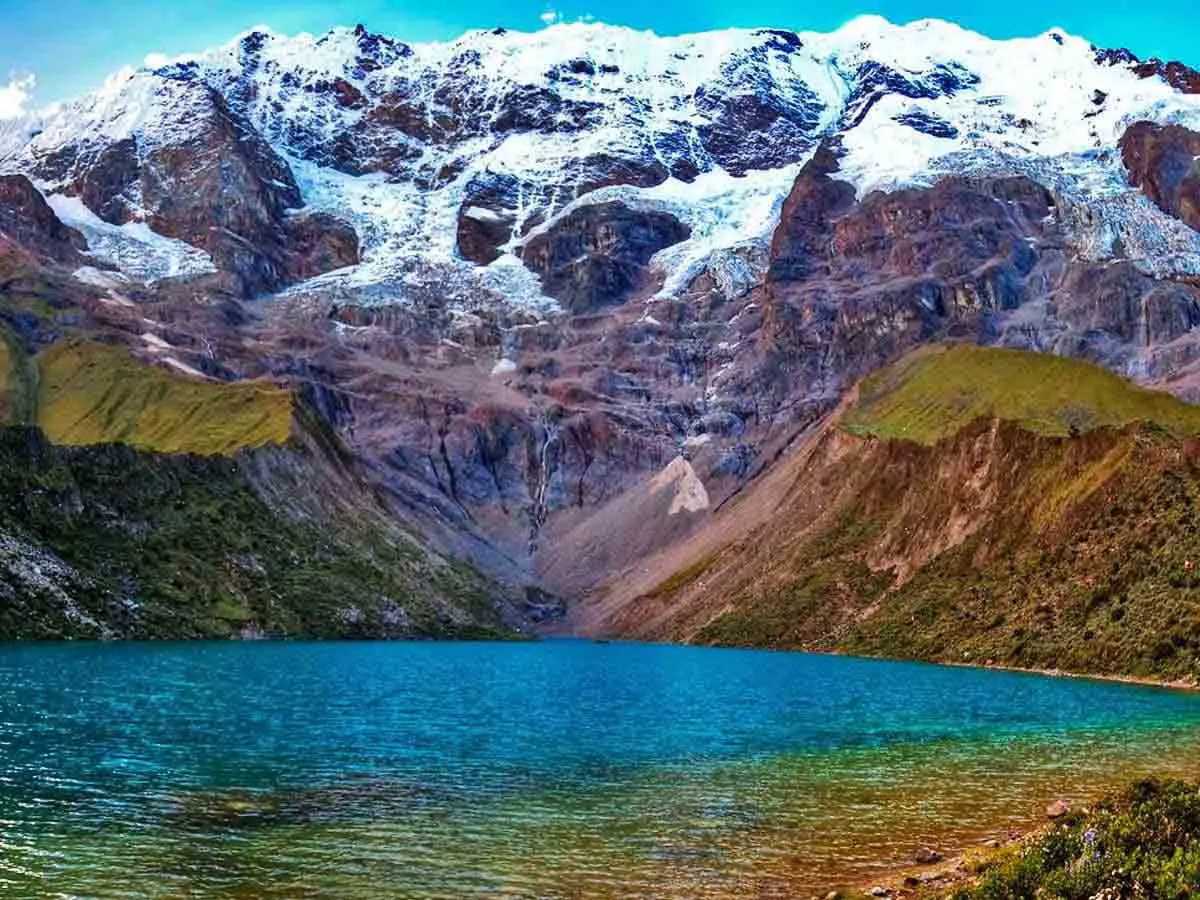
One of the most commonly used alternatives to the Classic Inca Trail is known as the Salkantay Trek; it is a rugged, 5-day trek through different types of terrain such as snow-capped peaks, lush cloud forests, etc. This trek derives its name from Salkantay Mountain, which is more than 20,000 feet tall, and ends high in the Andes Mountains with spectacular views of turquoise lakes and glaciers before dropping down into the jungle near Aguas Calientes. Because this trek is considered to be much more difficult than the Classic Inca Trail, due to its steeper climbs, there are very few people on the trek, allowing you to experience nature at its finest. This trek usually takes between 4 - 5 days to complete, but can be done as quickly as 3 days. Difficulty levels range from moderate to hard. Some highlights of this trek include a visit to Humantay Lake, coffee plantations and finally arriving in Aguas Calientes by train to see Machu Picchu. This trek runs all year round, however, if you are planning to trek in February, be prepared for foggy conditions and rain every day!
2. Inca Jungle Trek: Adventure-Packed Multi-Sport Route
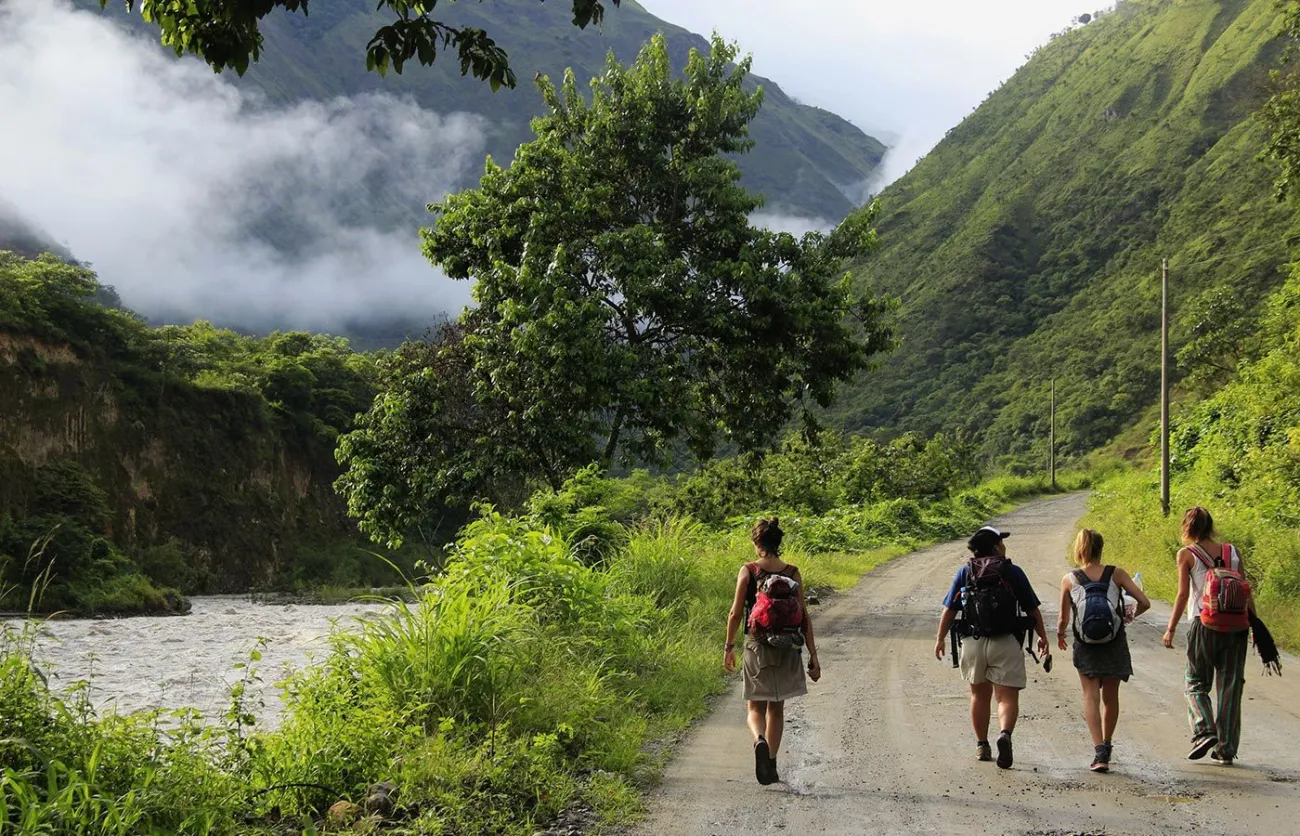
Anyone looking for something aside from just hiking should consider the Inca Jungle Trek, which includes not only hiking but also adrenaline activities, such as downhill mountain biking, whitewater rafting, and optional zip-lining through the trees.
The Inca Jungle Trek begins in Cusco, where travelers will ride their bikes through the Andean passes (including the Sacred Valley), raft down the Urubamba River, and hike along ancient Inca Trails lined with exotic fruit trees and coffee plantations.
This adventure offers those seeking thrills a great way to combine adventure with a mix of culture and history on this 4-day trek, with a visit to Machu Picchu at the end of this trek.
While the Inca Jungle Trek is not as physically demanding as other hikes, it offers participants a greater variety of activities during the entire trip.
Total Length: 3-4 Days
Difficulty: Moderate
Highlights: Biking downhill, soaking in hot springs, & seeing wildlife while on hikes through the jungle.
The Inca Jungle Trek can be accessed anytime during the rainy season. Feb is a great time for this trek due to the lush green scenery that begins to grow during this time of year.
3. Choquequirao Trek: The Road Less Traveled to Ancient Ruins
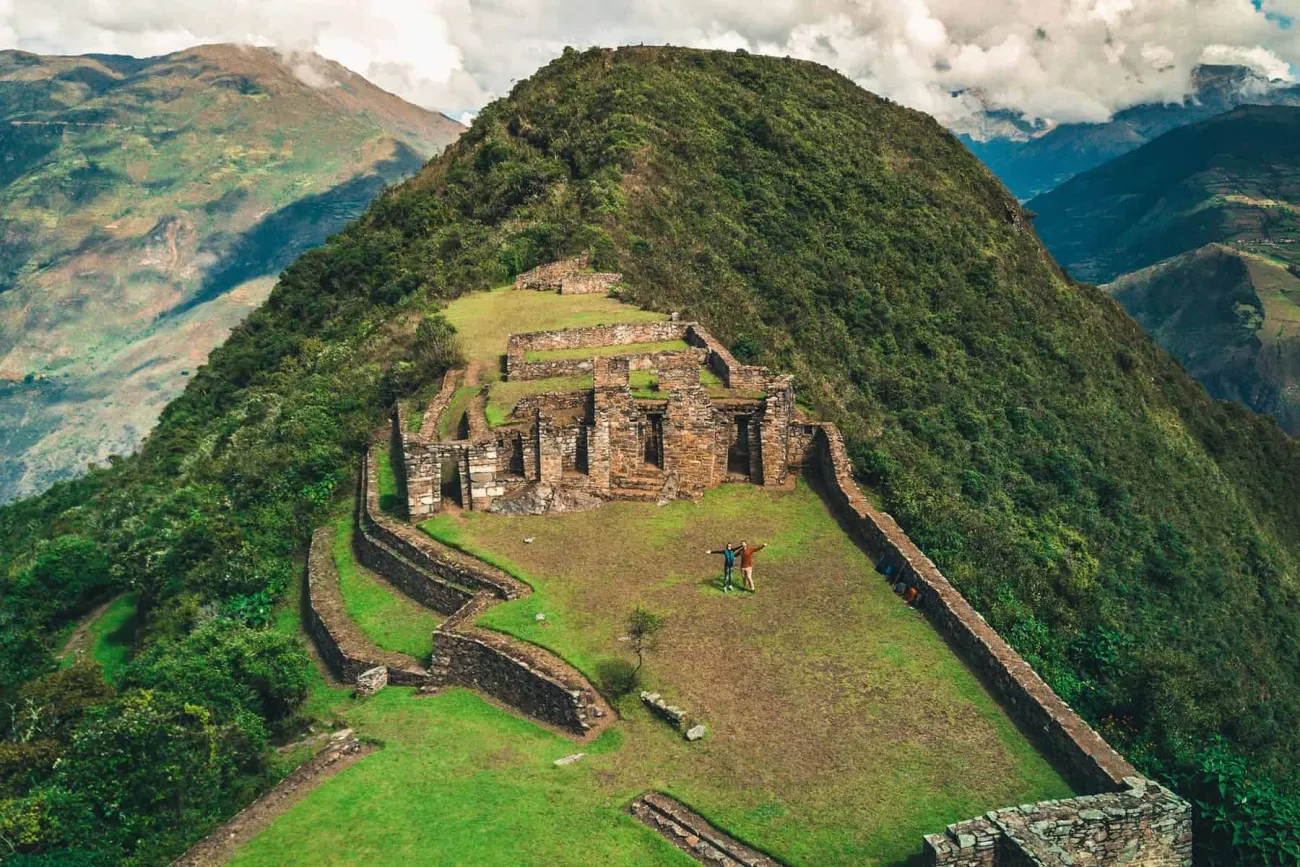
The Choquequirao Trek is commonly known as "sister" to Machu Picchu because it takes you to see some incredible Inca ruins located high in the mountains on terraces and built with stone, but does not have nearly as many people visiting compared to Machu Picchu. This trek (and its potential extensions to Machu Picchu) travels through deep canyons and cloud forests, providing you with a chance to experience solitude and beautiful views of the Apurimac River and surrounding mountains. It's a difficult trek because there are significant changes in elevation throughout the hike, but the reward will be seeing this archaeological treasure still being excavated. The trek will take 4 - 5 days (longer if you are doing the extended trek to Machu Picchu), and is considered to have a hard level of difficulty. You will get to see several major highlights such as Inca ruins, several different ecosystems, and plenty of opportunities for bird watching. The trek is open all year including February, making it ideal for anyone that wants to get off the beaten path and enjoy some great weather.
These Peru alternative tours will make sure your February trip is unforgettable, regardless of whether you are seeking high mountain drama, multi-sport fun or archaeological solitude. Be sure to travel with reputable tour operators, check daily weather reports prior to your trip and plan on arriving in Cusco beforehand to acclimatize to the altitude. Safe travels!