




Located in the center of the Andes is the Sacred Valley near Cusco, Peru, and this area is spectacularly bright green during the wet season in February. Although many travelers do not travel there due to possible rain showers and slippery paths, photographers will love this opportunity to capture the vivid green colors of the landscape, as well as some amazing mist. The contrast of the colors after it rains creates an opportunity for some fabulous photographs. Just be sure to bring some waterproof gear to cover your camera so that you can shoot the beautiful images you create! You should expect variable weather; for example, many mornings have much clearer skies. Experts say that February provides more lush greenery and an intimate experience compared to other times, although the trails may be slippery during this month.
Taray Viewpoint
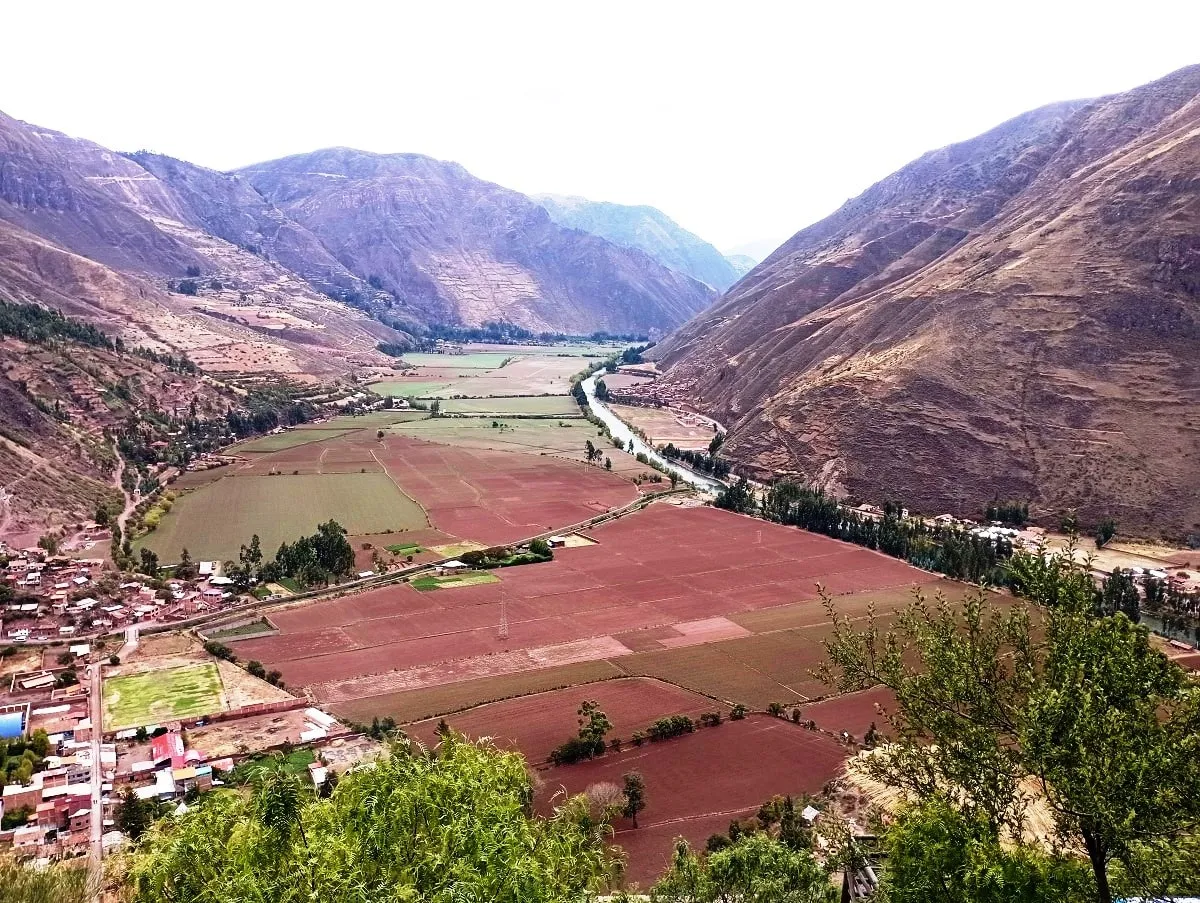
The Taray Viewpoint, located on your journey from Cusco to Pisac, provides a lovely panoramic view of the Sacred Valley. This elevated viewpoint shows you the winding Urubamba River flowing through lush farm land between the high peaks of the Andes Mountains. The rains during February enhance the color of the farm land making it appear in loud vivid layers. The best way to capture the magnificence of the Sacred Valley is to take advantage of being able to pull off, take a few drone photos and use wide-angle lenses to get the whole valley in one picture. Many believe that this viewpoint is the gateway to experiencing the beauty of the Sacred Valley.
Pisac Ruins Viewpoint
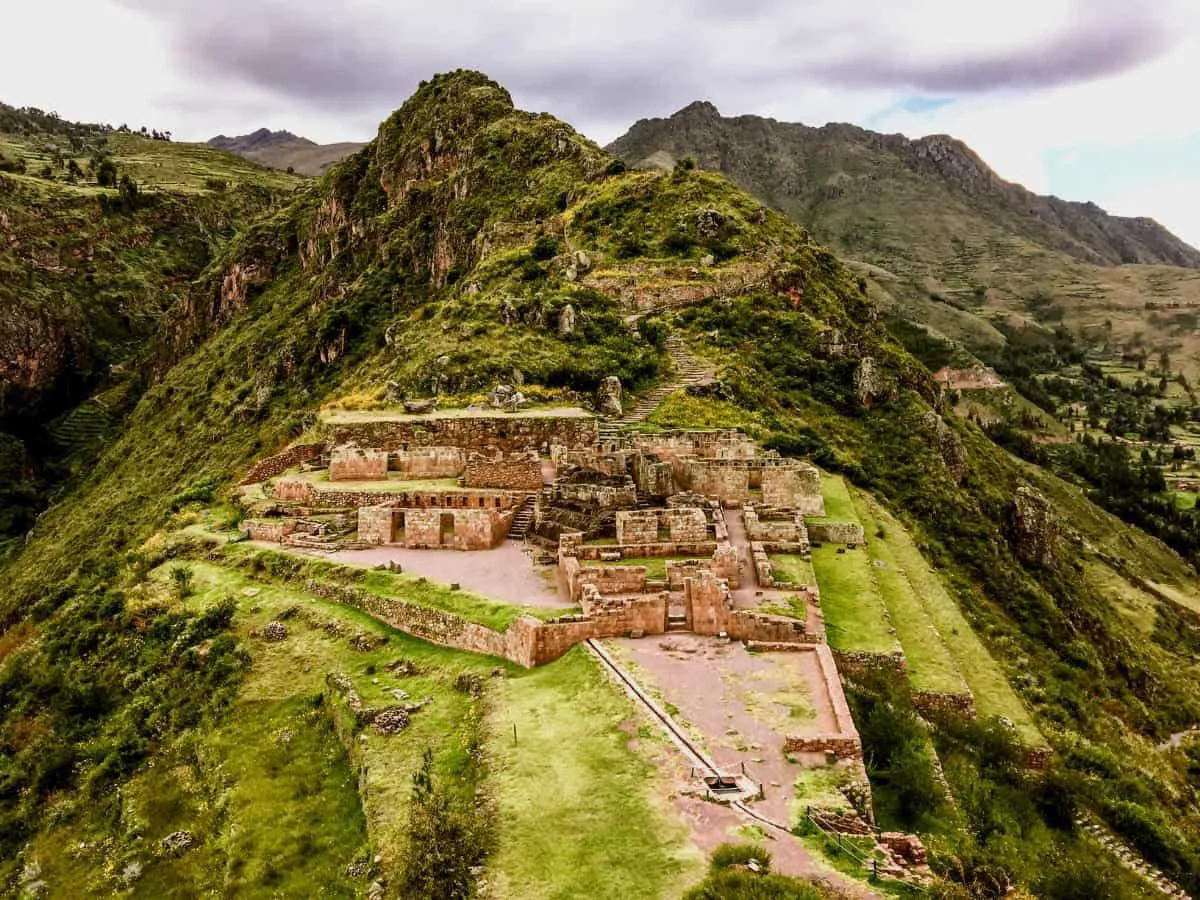
Pisac's archaeological site sits well above both the valley and the town below and has stunning views of not only its own terraced hill sides but also of the spectacular vistas created by combining the ancient Inca stonework with the original natural contours of the mountains. In addition, much of the lush vegetation that grows all around the ruins is accentuated by the moisture of the month of February and can create a mystical fog that enhances your images, especially if shot at sunrise when the clouds have cleared. If possible, try to shoot the picturesque terraces and villages of the region in the early morning. The views at sunrise are breathtaking if the weather cooperates; you will enjoy them if you like to learn about history or take photographs of ancient cultures and their incredible engineering achievements.
Ollantaytambo Fortress
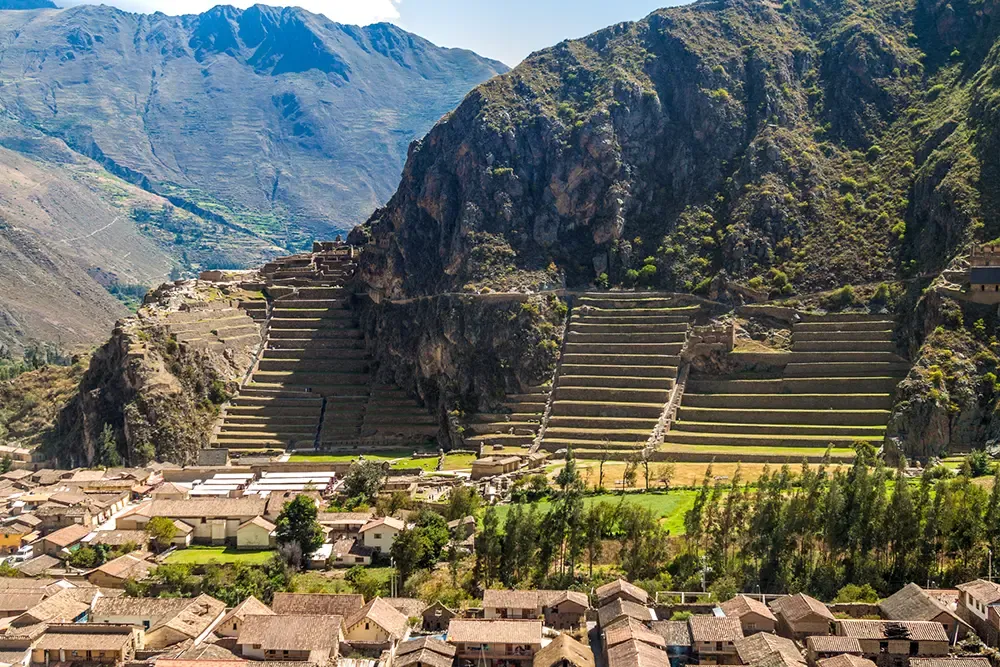
Ollantaytambo is an enormous Inca stronghold that commands your view from its numerous terraces overlooking the Patakancha River and surrounding valleys. The giant stone buildings create incredible images of the countryside, especially in February's misty rain. From the top of each terraced structure, you can see Ollantaytambo's cobblestone streets and high snowy mountains. Golden hour lighting adds texture to the walls and trees, making it the perfect place to take portraits or landscape photographs. Check out the trails nearby for additional secret views.
Moray Terraces
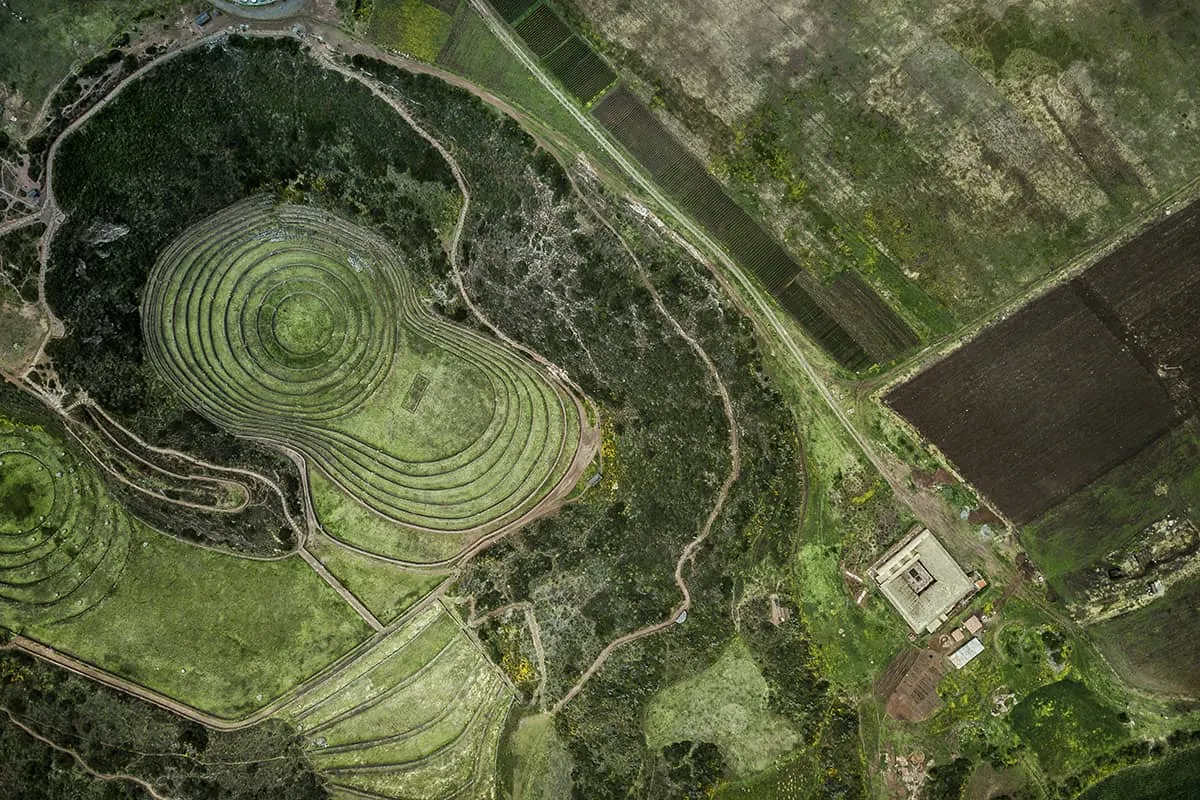
Moray's circular agricultural terraces create a photographer's paradise with their abstract geometric formations. Photographs taken from the terraces will show concentric rings that descend into naturally formed depressions. Capturing photographs after the February months of rain will allow you to see all of the different microclimates and how well the land grows grass. Aerial views of the site will illustrate its symmetry against the flat plateau. Surrounding the terraces are multiple fields, which provide context for how the Incas were able to adapt to this type of land. The best time to take photographs is mid-morning, when there are fewer crowds and softer lighting due to clouds, which will help create a look of depth and shadow in your photographs.
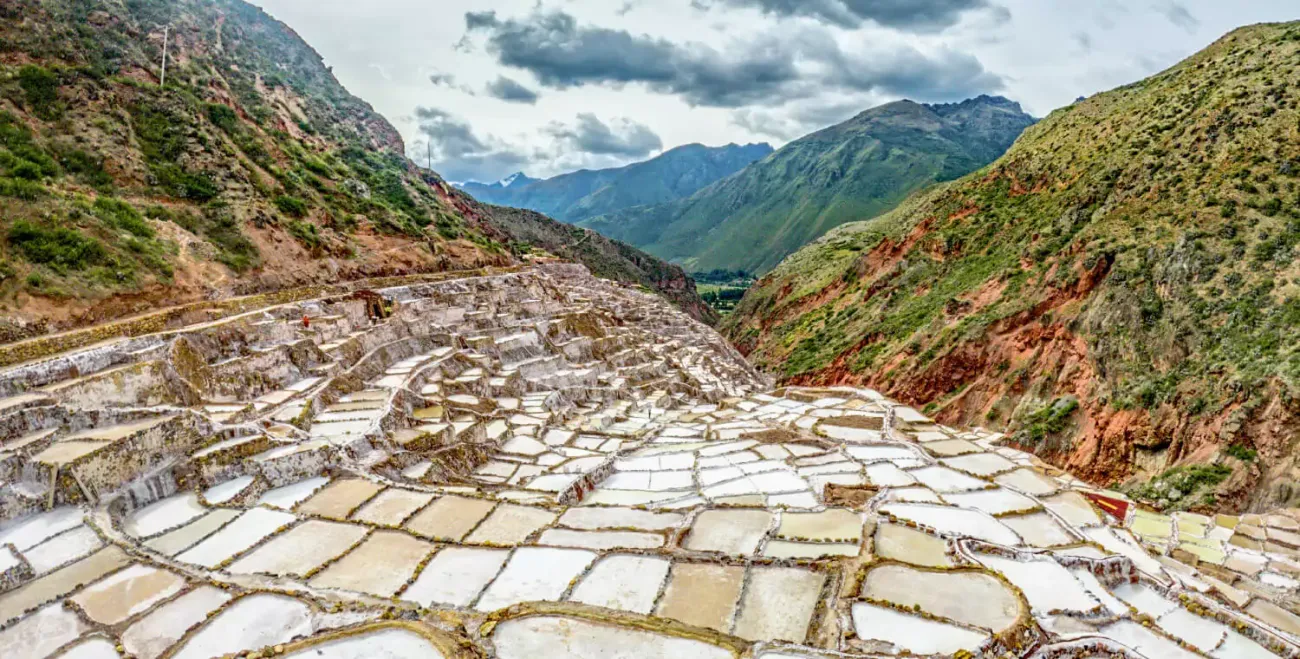
Maras Salt Mines
Nestled inside a tight canyon, Salineras de Maras include just about all of the enery (energy) of a saltwater swimming pool as it relates to the very real powers of evaporative condensation forming the frozen form of salt and the miracle of man-made creation resulting from the evaporation of saltwater. In addition, parts of the Salvadoran landscape, the shape and texture of the various lakes and pools are very different across the country due to water conditions and climate differences. The lakes and pools outside of the cities would tend to create a contrasting view of the same lake and pool within each city. For example, the vast majority of the upper lake views are composed solely of either white or blue icebergs. The same view formed an ice mirror of the water behind the guardrails. The best time to photograph your unique photographs of the Salineras de Maras is during the summer months.
Whether you are a professional photographer using a digital camera or simply a novice using your mobile phone, you can expect to find some of the best vantage points in the Sacred Valley during February to provide striking images of lush Cusco. When photographing in this area, please be respectful of the local community, stay on established trails, and check weather applications to see the best time for photographing in this area. Enjoy taking photos!